
TRANSCATHETER
EDGE-TO-EDGE REPAIR
Transcatheter edge-to-edge repair (TEER) therapy provides a minimally invasive solution for treating mitral or tricuspid regurgitation and delivers safe, effective and durable outcomes for select patients.
TRANSCATHETER
EDGE-TO-EDGE REPAIR
Transcatheter edge-to-edge repair (TEER) therapy provides a minimally invasive solution for treating mitral or tricuspid regurgitation and delivers safe, effective and durable outcomes for select patients.
Innovating Transcatheter Edge-to-Edge Repair for Mitral and Tricuspid Valves
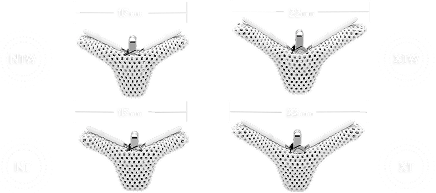
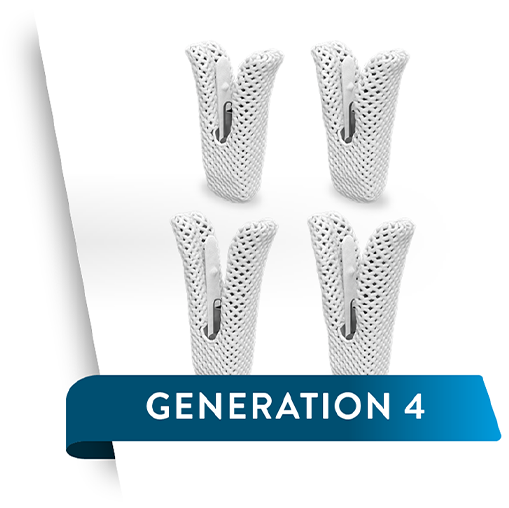
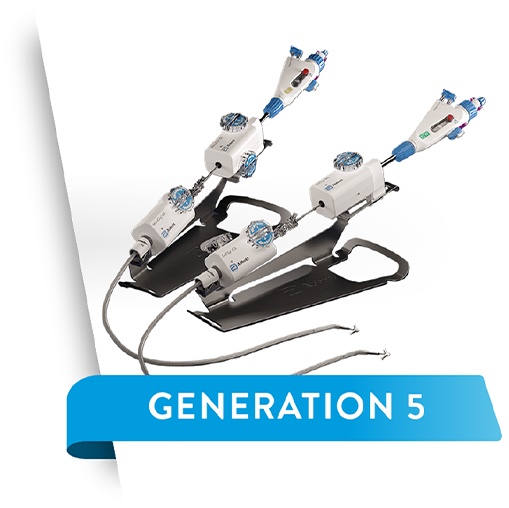
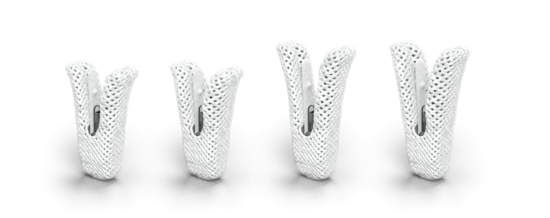
MitraClip™ and TriClip™ TEER offer the option of four clip sizes for tailored treatment across a wide range of complex anatomies.1,2


Proven Safety Profile
TEER has demonstrated a strong safety profile across diverse patient populations, with consistent outcomes in both clinical studies and real-world practice.7,13

Backed by robust evidence
Supported by a growing body of randomized trials and real-world clinical data across hundreds of thousands of patients worldwide.14,15

Heart team-driven
Candidacy is determined through a multidisciplinary Heart Team evaluation, and early referral is necessary to give patients the best chance at meaningful improvement.14,15

Sign up for educational TEER resources delivered to your inbox.
Stay on top of current patient selection criteria, clinical evidence, and referral pathways by signing up to receive tailored updates on upcoming webinars, case-based learning, and educational resources.
The Most Durable Data in TEER
Engineered to Deliver Long-Term Clinical Benefits
Built on a strong foundation of clinical data, MitraClip and TriClip TEER are trusted solutions in structural heart care that support durable outcomes and sustained improvements in patient quality of life.

MR REDUCTION
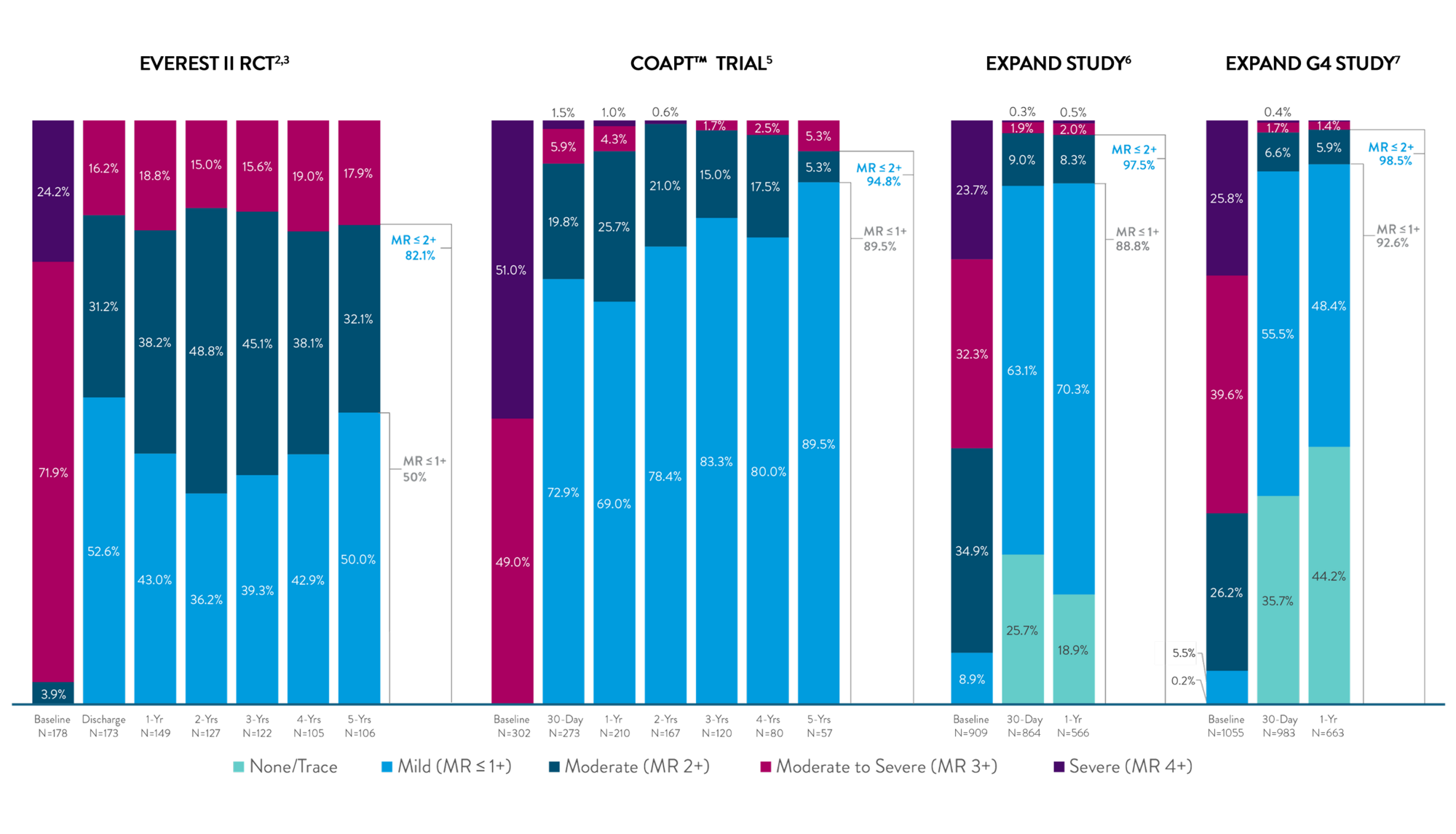
* EVEREST II: MR data categorized as Mild (including none/trace), Moderate, and Moderate to Severe (including severe)
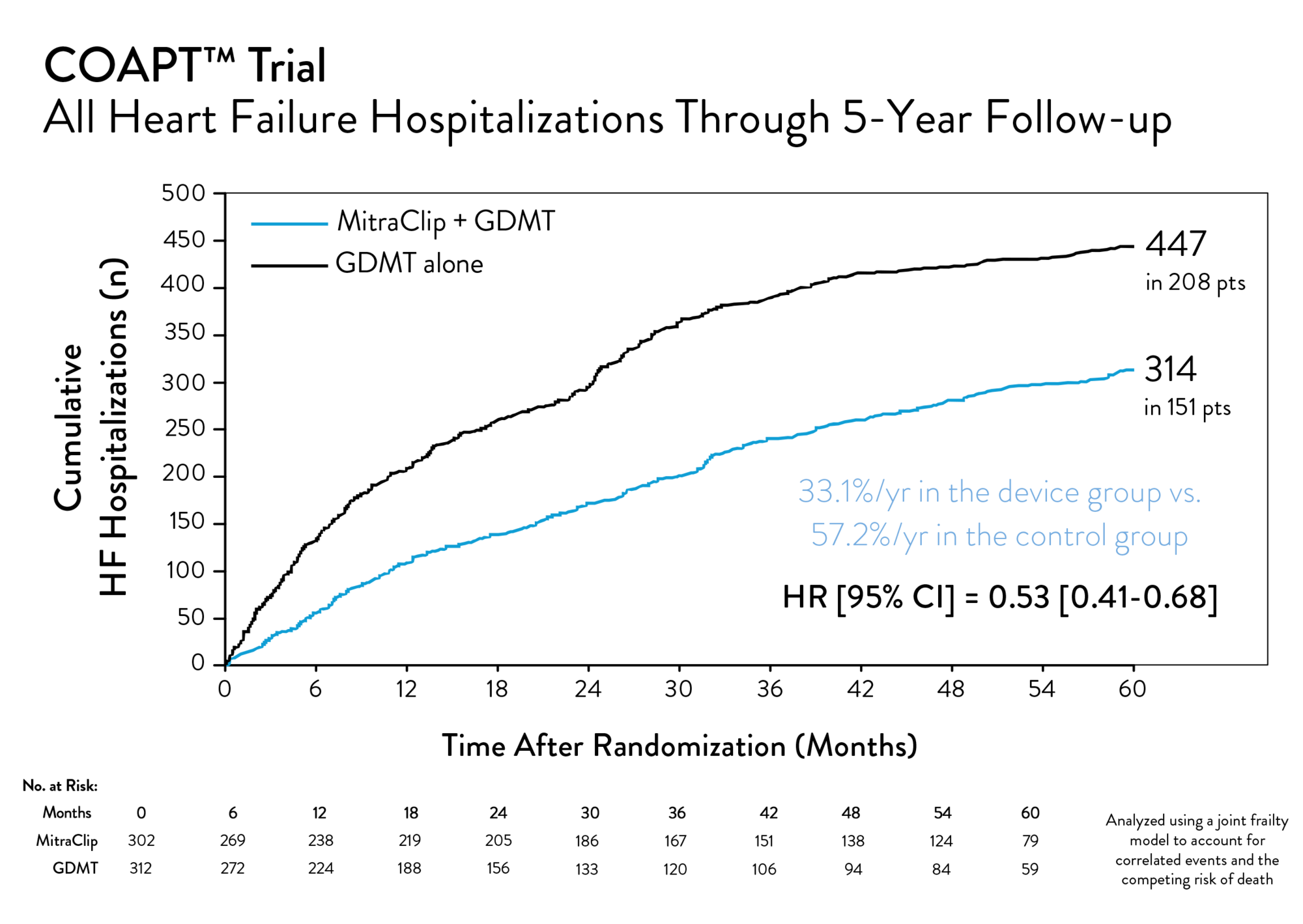
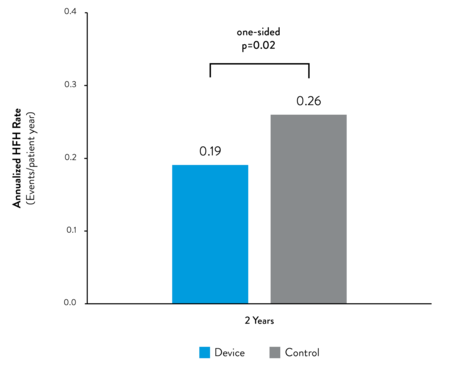
HFH Reduction
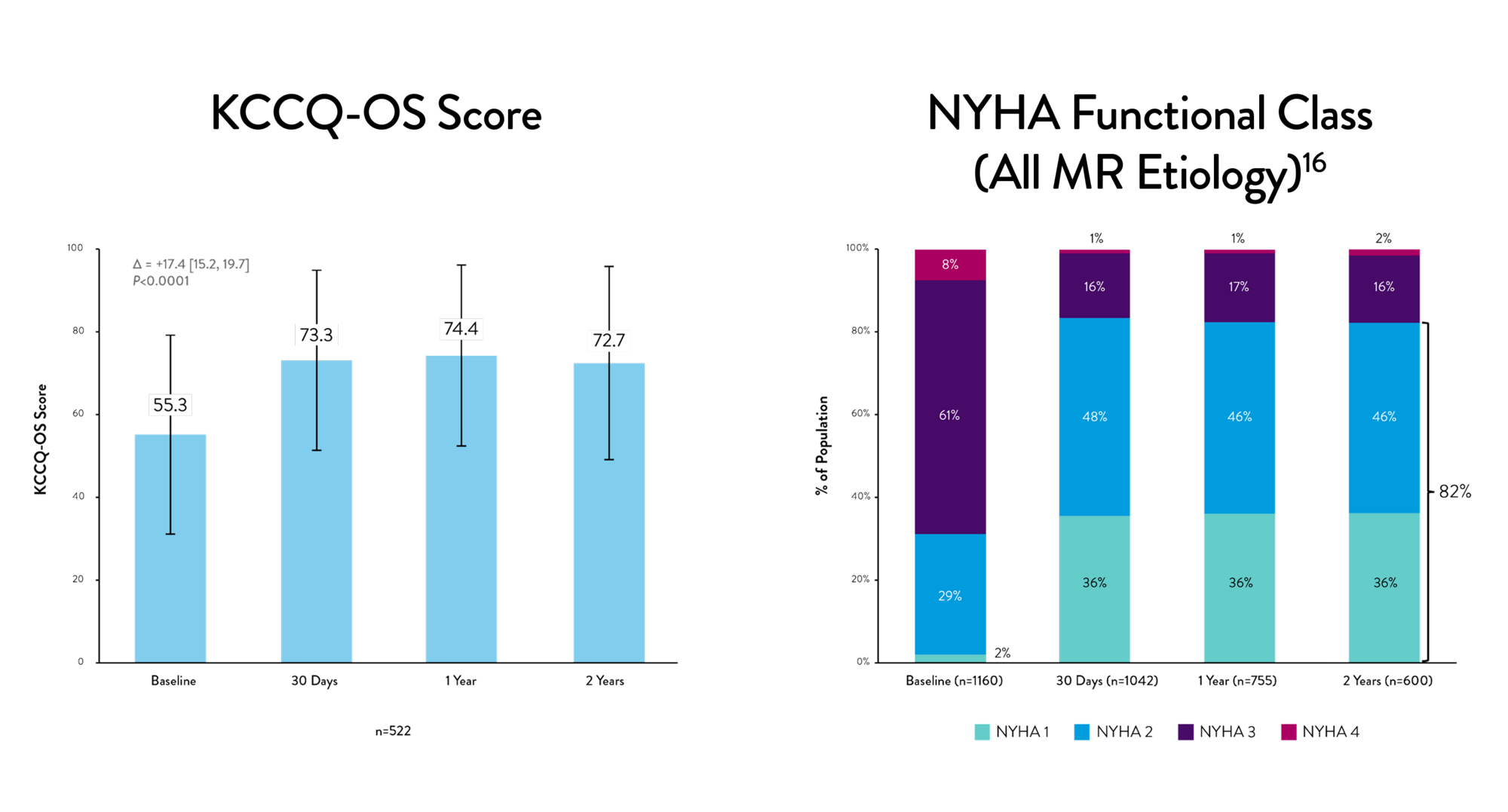
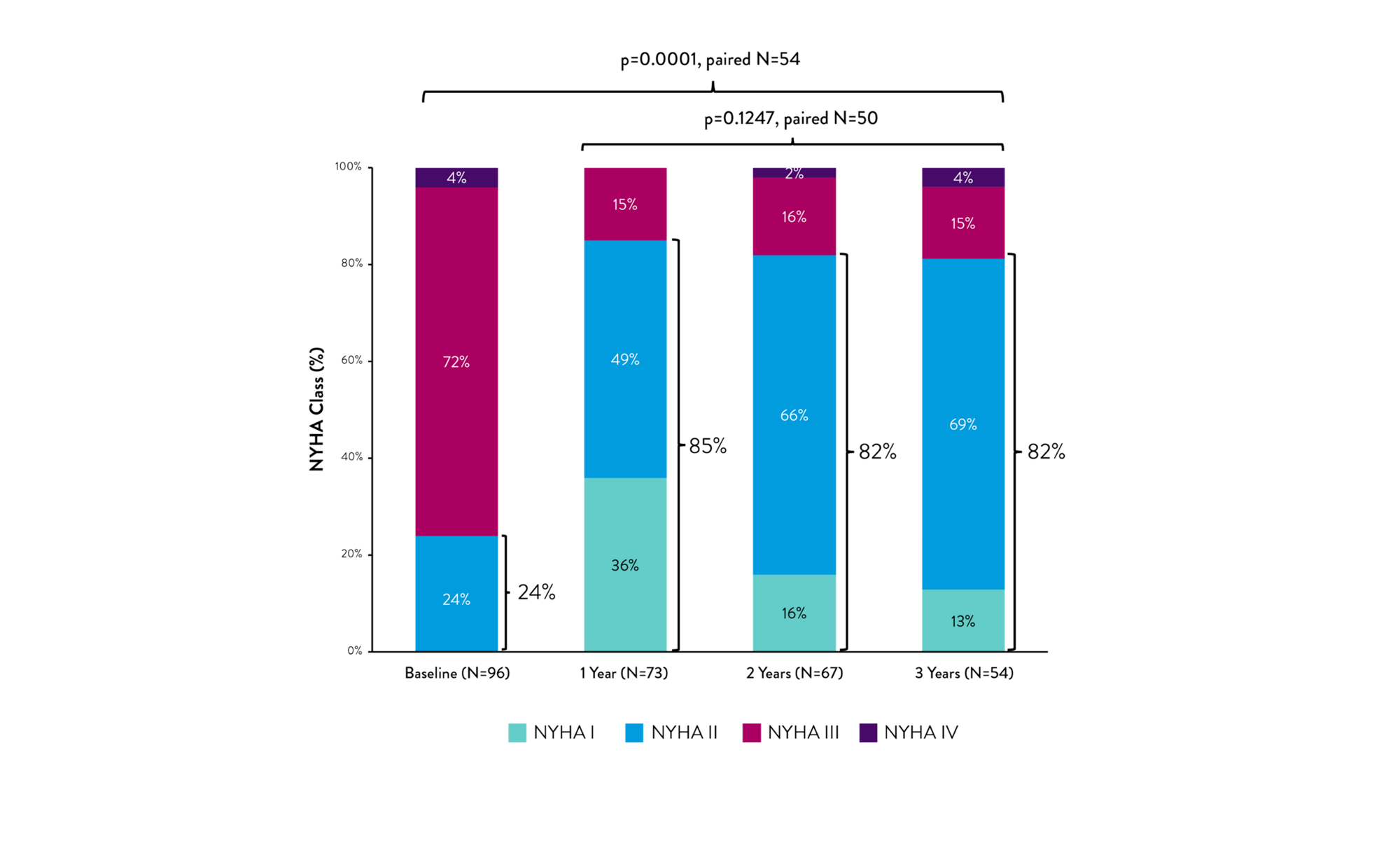
Improvement in Quality of Life

TR REDUCTION
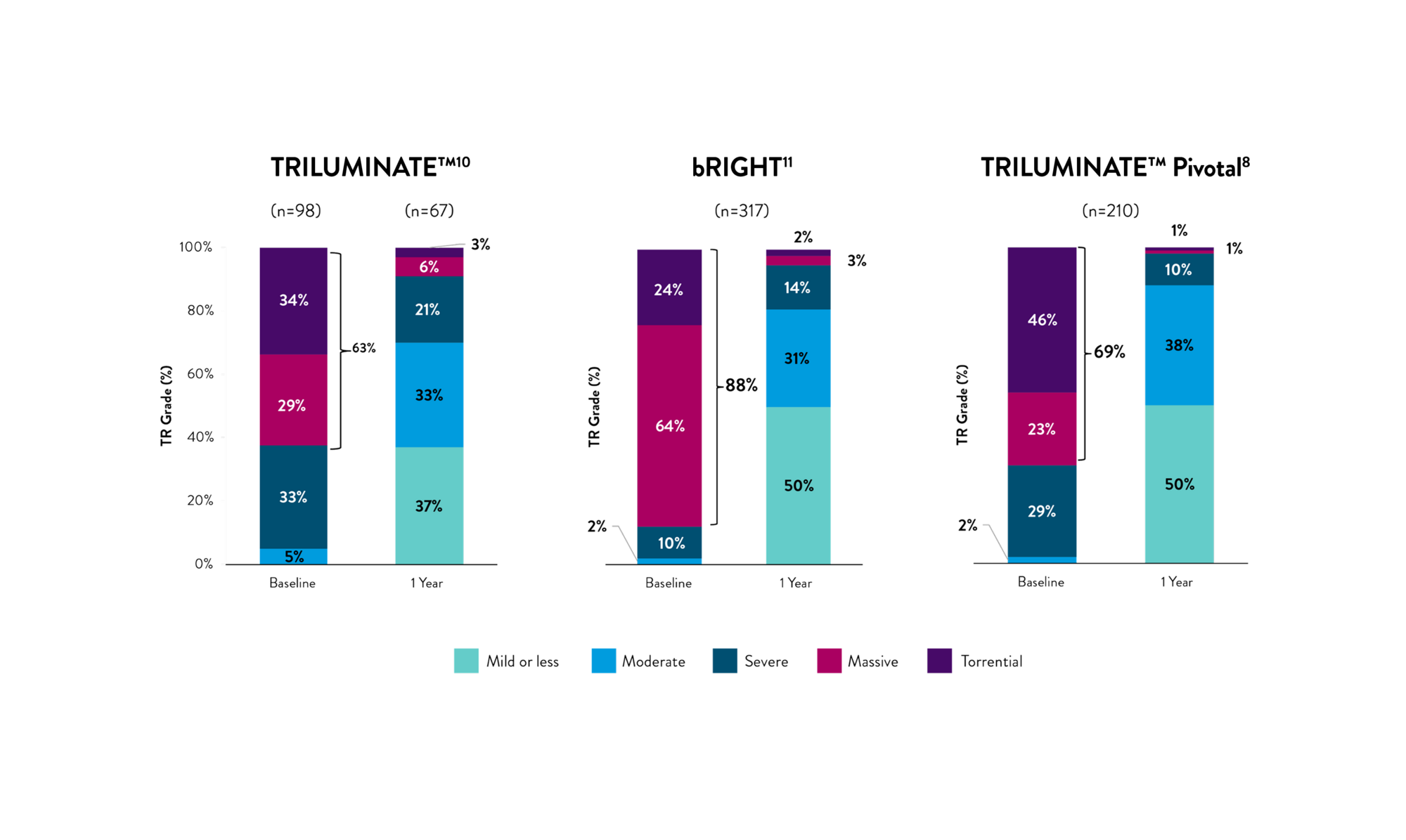
HFH REDUCTION
IMPROVEMENT IN QUALITY OF LIFE
TEER Education on Demand
Expert-led sessions and resources to support your TEER education
Access our growing library of TEER educational resources designed to help physicians better understand patient selection, referral pathways, and the latest clinical evidence supporting MitraClip and TriClip TEER therapy.
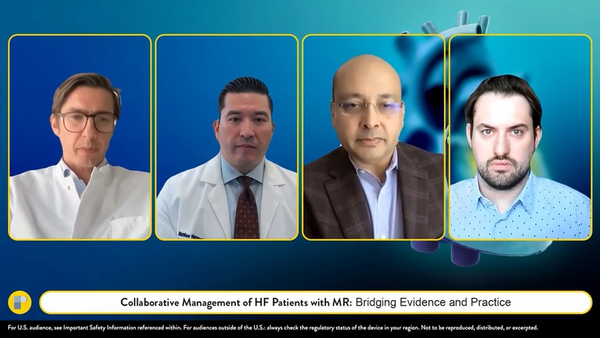
Collaborative Management of HF Patients with MR: Bridging Evidence and Practice
TriClip™ TEER Therapy Foundations for Valve Coordinators
MitraClip™ TEER Therapy Foundations for Valve Coordinators
TVT Registry Insights: TriClip & Tricuspid Valve Repair
TriClip TVT Registry Overview with Joan Michaels
TEE Screening for TriClip™ Therapy: 3D Multiplanar Reconstruction (MPR)
TEE Screening for TriClip™ Therapy: Basics of TEE Screening
MitraClip and TriClip Therapies: So Much Data to GRASP
Leveraging Your Imaging Toolbox for TriClip™ Therapy




Clinical Summary Highlights
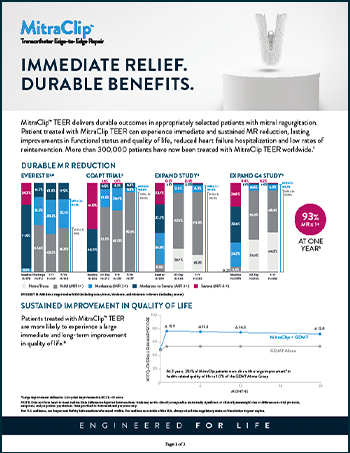
Immediate Relief. Durable Benefits.
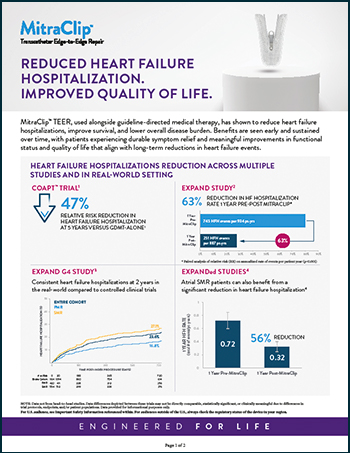
Reduced Heart Failure Hospitalization. Improved Quality of Life.
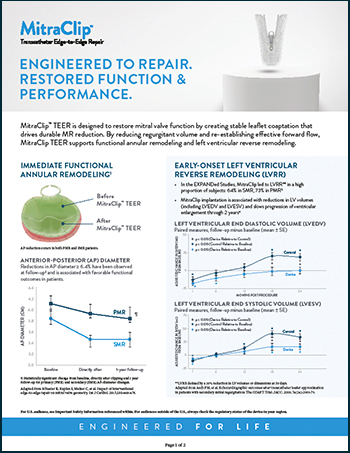
Engineered To Repair. Restored Function & Performance.
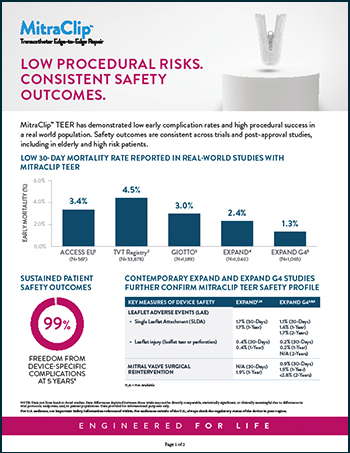
Low Procedural Risks. Consistent Safety Outcomes.
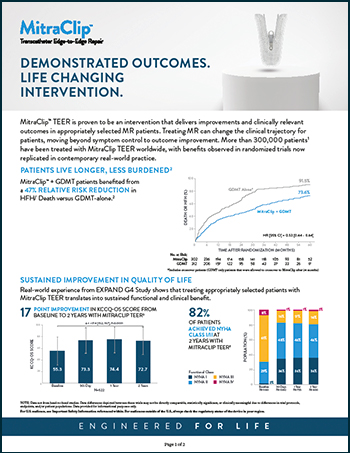
Demonstrated Outcomes. Life Changing Intervention.
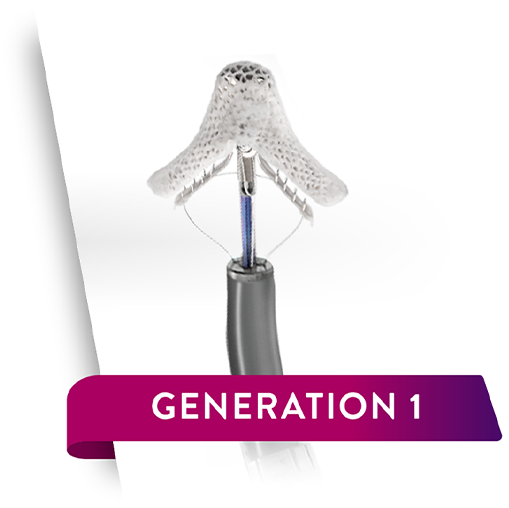
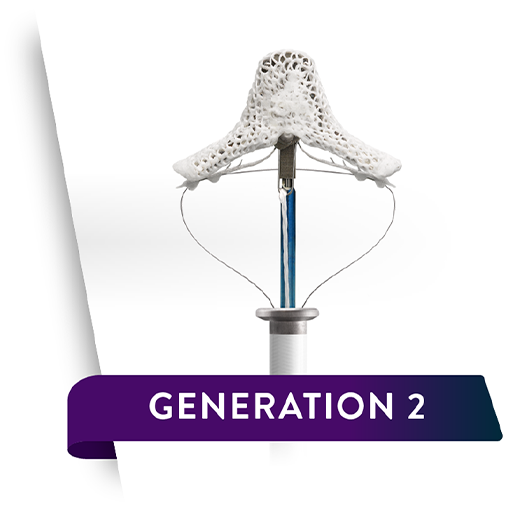
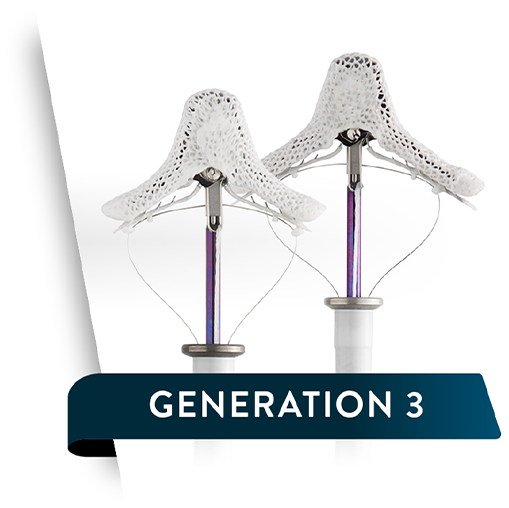
Engineering Excellence Across Five Generations of TEER
Leading innovation in mitral and tricuspid care
For more than two decades, Abbott has advanced TEER technology through the MitraClip and TriClip TEER systems, helping transform structural heart care worldwide. With hundreds of thousands of patients treated and five generations of innovation, TEER continues to set the standard for safety and performance.
Sign up for updates
Receive TEER updates, clinical insights, and educational resources
from Abbott Structural Heart.
Refer Your Patient for TEER
When mitral or tricuspid regurgitation is identified in your patient, early referral to a structural heart program can make a meaningful difference in outcomes. MitraClip and TriClip TEER offer a proven, minimally invasive pathway for patients who are symptomatic despite guideline-directed medical therapy, including those at prohibitive or high surgical risk.

Is my Patient a TEER Candidate?
MitraClip Therapy
Primary MR
Indicated for the percutaneous reduction of significant symptomatic mitral regurgitation in patients with:
- MR ≥ 3+ due to primary abnormality of the mitral apparatus
- Prohibitive risk for mitral valve surgery as determined by a heart team
Secondary MR
When used with maximally tolerated guideline-directed medical therapy (GDMT), is indicated for the treatment of symptomatic, moderate-to-severe or severe secondary MR in patients with:
- MR ≥ 3+ per echo criteria
- LVEF ≥ 20% and ≤ 50%
- LVESD ≤ 70 mm
- Persistent symptoms and MR severity despite maximally tolerated GDMT as determined by a heart team.
TriClip™ Therapy
Indicated for improving quality of life and functional status in patients with:
- Symptomatic severe TR despite optimal medical therapy
- Intermediate or greater risk for surgery
- And in whom TEER is clinically appropriate and is expected to reduce TR severity to moderate or less, as determined by a multidisciplinary heart team.
Patient Screening Materials

MitraClip Patient Selection Checklist
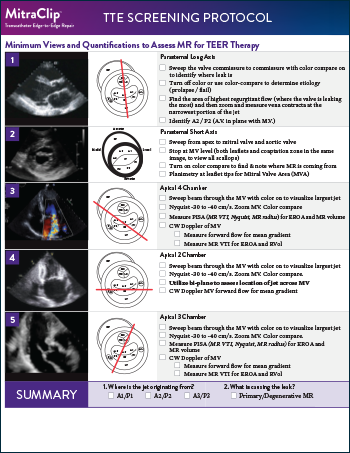
MitraClip TTE Screening Protocol

MitraClip TEE Checklist
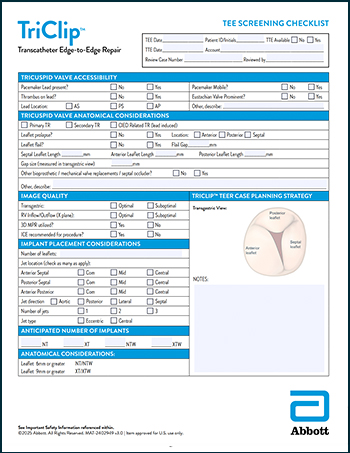
TEE Screening Checklist
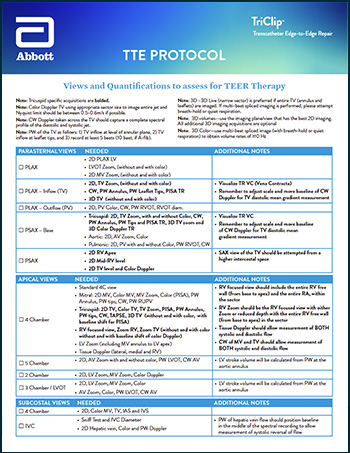
TTE Protocol
For more patient resources, please visit MitraClip.com
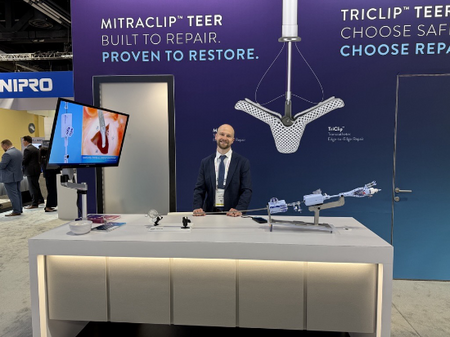
To schedule a TEER product demo or educational session with your team, please sign up below to be contacted by a local Abbott Sales Representative
MAT-2675537 v2.0 | Item approved for U.S. use only.